Cloud Primitives – Compute Layer
Estimated Reading Time: 4 minutesThe Compute primitive provides scalable, on-demand processing power for running workloads without managing physical hardware.
Read more
Practical Envisioning of Software Architecture
Practical Envisioning of Software Architecture
Articles and posts related to Software Architecture
Estimated Reading Time: 4 minutesThe Compute primitive provides scalable, on-demand processing power for running workloads without managing physical hardware.
Read more
Estimated Reading Time: 3 minutesIntroduction Cloud platforms such as Amazon Web Services, Google Cloud Platform, and Microsoft Azure have fundamentally changed how we design, build, and operate software systems. They offer speed, elasticity,
Read more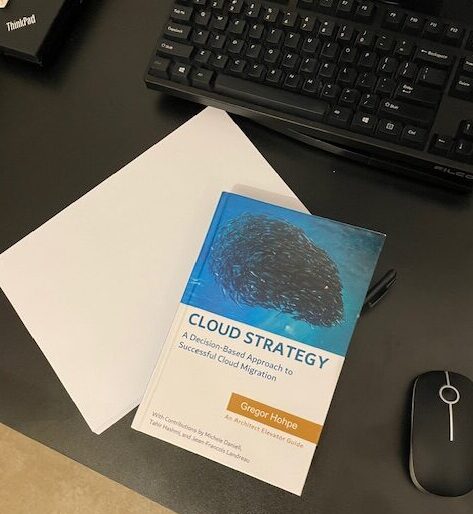
Estimated Reading Time: 16 minutesGregor Hohpe is well known for combining architecture with metaphors and grand-scale thinking. I read this book because it claimed to bridge the gap between technology choices and business outcomes, and deliver street-smart insight from real transformations.
Read more
Estimated Reading Time: 6 minutesðŸ‘️🗨️ From Vision to Architecture In the first article of this series, we explored why API-First Transformation is a strategic imperative for organizations struggling with legacy systems. But vision
Read more
Estimated Reading Time: 5 minutesThis article is the first in series exploring API-First Transformation, what it means, why it matters, and how organizations can apply it to evolve from legacy-bound to future-ready.
Read more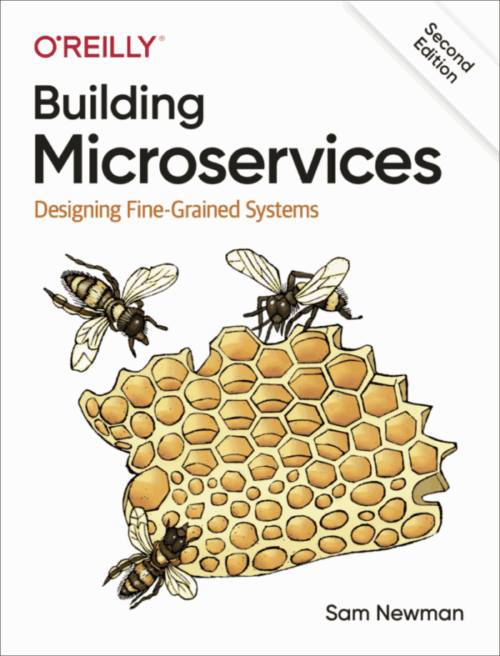
Estimated Reading Time: 5 minutesBuilding Microservices, 2nd Edition, by Sam Newman, offers not only practical strategies for designing complex systems and decomposing monolithic ecosystems but also valuable insights into evolutionary architecture, the approach that embraces change by allowing systems to adapt over time rather than remain static.
Read more
Estimated Reading Time: 6 minutesSimply keeping the lights on isn’t enough anymore. Organizations need more than just functioning systems. They need systems that can grow, adapt, and improve over time. That means rethinking managed services not just as a way to maintain operations, but as a foundation for ongoing transformation.
Read more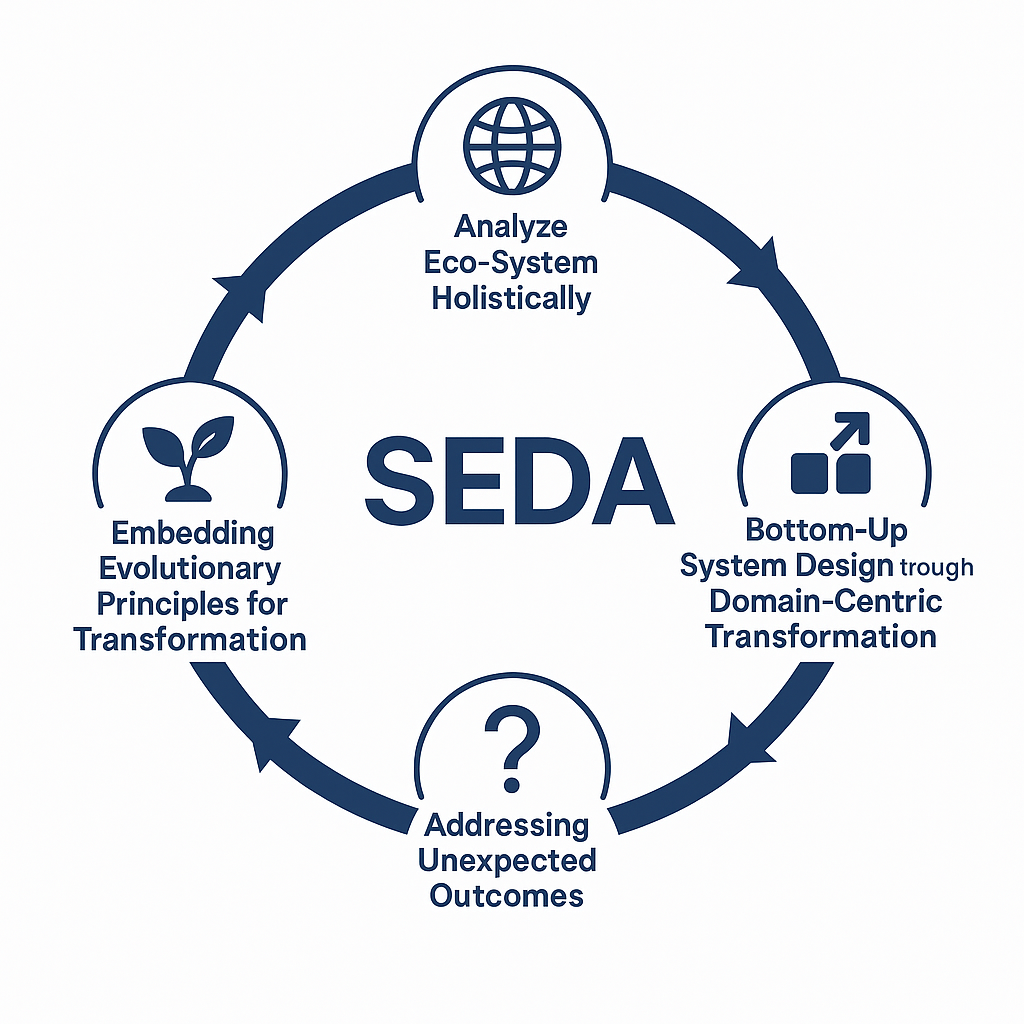
Estimated Reading Time: 8 minutesThe Transformation journey shouldn’t end with architecture diagrams or deployed services. It needs to grow into a living, breathing system, one that thrives on ongoing continuous improvement. To make that happen, we need to build a framework that consistently checks for alignment with business goals, detects system health issues early and supports small, safe, and iterative changes
Read more
Estimated Reading Time: 8 minutesHybrid AI systems are designed to balance performance and efficiency, using SLMs for quick, routine tasks and turning to LLMs when deeper reasoning or context is needed.
Read more
Estimated Reading Time: 9 minutesAddressing Unexpected Outcomes As explained in Part One, the SEDA framework consists of four steps, each of which was briefly discussed. The third step, Addressing Unexpected Outcomes, is what
Read more